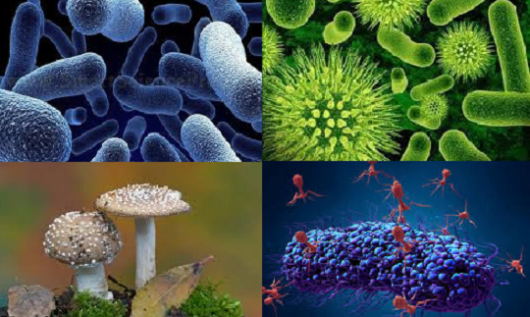





Refrigerator Contamination and Associated Diseases
Proper cleaning and maintenance of a refrigerator are essential because microorganisms are much more likely to grow in environments rich in food than in other locations. As the primary storage place for food, a refrigerator can provide an ideal environment for the growth and multiplication of various bacteria and other microorganisms. Although refrigerator contamination is usually invisible, it can be responsible for a wide range of illnesses.
This article discusses several common types of refrigerator contamination, the diseases they may cause, and practical measures to help prevent these contaminants.
A scientific study published in 2017 in the American Journal of Infectious Diseases reported that, among samples collected from 50 randomly selected refrigerators, nearly 100% showed bacterial contamination, 32% contained fungal contamination, and 8% harbored parasitic contamination. Due to limitations in viral culture and detection, viruses were not evaluated in this study. Nevertheless, the diversity and abundance of microorganisms found in refrigerators strongly suggest that numerous viruses may also be present. Such contamination can contribute to the development of many infectious diseases.
The study identified several bacteria commonly found in refrigerators and the illnesses associated with them:
Escherichia coli (E. coli)
Escherichia coli (E. coli) is one of the microorganisms that may contaminate refrigerators. Infection with this bacterium can cause gastrointestinal illness characterized by:
- Abdominal pain
- Nausea
- Diarrhea
- Fever
E. coli can also spread from person to person. Contamination may be transmitted from the refrigerator to one family member and then to others. The illness typically lasts 3 to 5 days.
Shigella
Another bacterium commonly associated with refrigerator contamination is Shigella, which causes shigellosis.
Common symptoms include:
- Diarrhea
- Nausea
- Abdominal pain
- Fever
The illness usually lasts about 7 days and is highly contagious, spreading easily from one person to another.
Pseudomonas aeruginosa
Another bacterium that may be transmitted through contaminated refrigerators is Pseudomonas aeruginosa.
This bacterium can cause:
- Bloodstream infections
- Lung infections
- Post-surgical wound infections
- Infections in various parts of the body following surgery
Salmonella
Salmonella is another bacterium that can be transmitted through contaminated food stored in refrigerators and is a common cause of gastrointestinal illness.
Typical symptoms include:
- Diarrhea (sometimes bloody)
- Fever
- Abdominal pain
All of these infections are contagious and can spread to other people if proper hygiene practices are not followed.
Preventing Refrigerator Contamination
The findings of this study highlight the importance of regularly cleaning and disinfecting refrigerators. The following recommendations can help reduce the risk of contamination:
A. Organize food properly.
Separate refrigerator shelves according to the type of food being stored. Keep items that cannot be washed in drawers or other enclosed compartments.
B. Store cooked foods in sealed containers.
This helps prevent cross-contamination between cooked and raw foods.
C. Handle eggs carefully.
Eggshells are among the most heavily contaminated food surfaces. Store eggs in a separate, preferably covered, container.
D. Clean and disinfect the refrigerator weekly.
Once a week, remove all contents from the refrigerator, wash the shelves thoroughly, and disinfect the interior walls and shelves using appropriate disinfectant products.
Conclusion
By following these recommendations and cleaning and disinfecting your refrigerator regularly, you can significantly reduce the risk of illnesses caused by refrigerator contamination. Since many of these infections are contagious, maintaining good refrigerator hygiene also helps protect other members of your household.